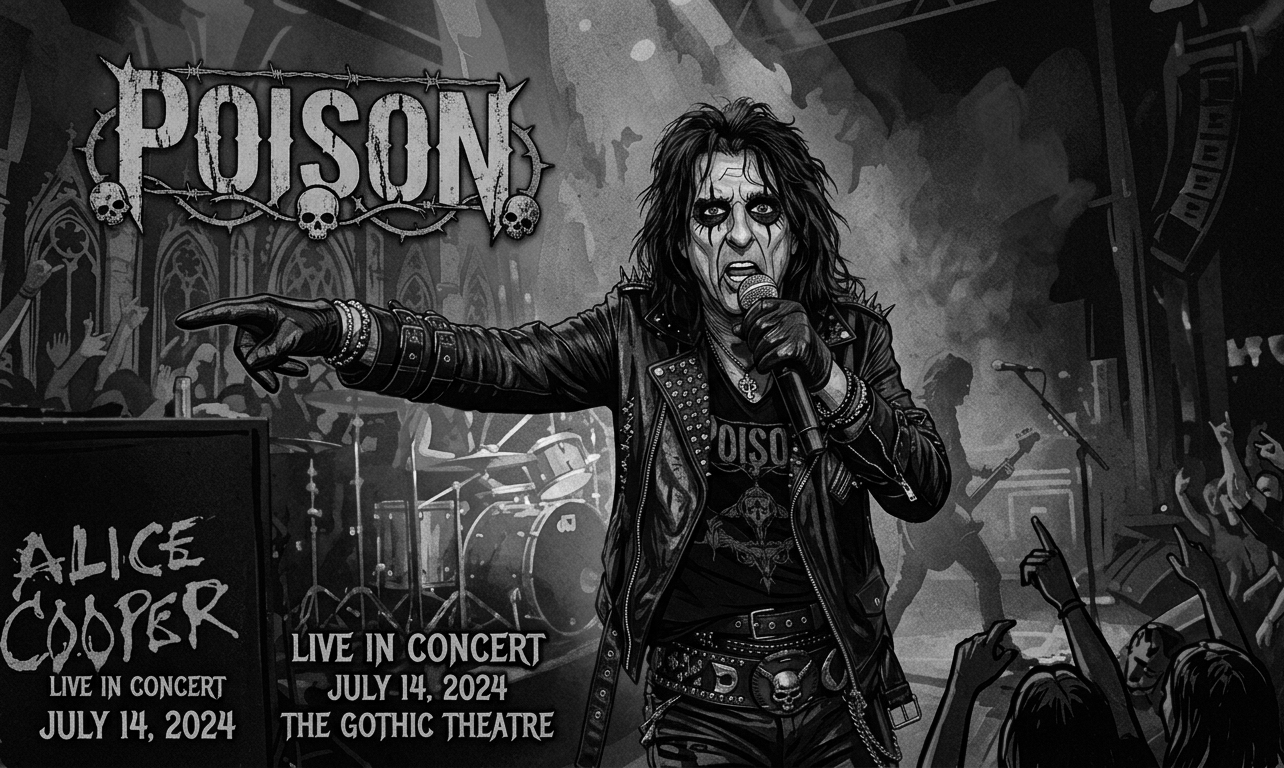
渋くてかっこいいおじさん、アリスという名前なのにおじさん(と昔は思っていた。失礼なことを思っていました)
1989年、アリス・クーパーは“終わったアーティスト”と見られていました。
1970年代にはショックロックの帝王として一世を風靡した彼ですが、80年代に入るとアルコール依存や活動の停滞もあり、ヒットから遠ざかっていたのです。
そんな中でリリースされたアルバム『Trash』。
この作品こそが、彼の復活を決定づけることになります。
そして、その中心にあったのが「Poison」です。
実はこの曲、アリス・クーパー単独で生まれたわけではありません。
作曲には当時ヒットメーカーだったデズモンド・チャイルドが参加しています。
彼はボン・ジョヴィやエアロスミスなど、多くのヒット曲を手がけた人物で、「売れる曲」を作るプロでした(さすが!)
当時のアリス・クーパーには、もう一度チャートに戻るための“決定打”が必要でした。
そこでレコード会社は、外部ライターの力を借りるという戦略を取ります。
デズモンド・チャイルドはこう考えました。
「アリス・クーパーは“危険な男”のイメージがある。でも今はそれが弱くなっている。ならば、“毒のような恋”をテーマにすればいい」
こうして生まれたのが、「Poison」というタイトルです。
曲のコンセプトはとてもシンプルです。
「わかっているのに惹かれてしまう、危険な恋」。
まるで毒だとわかっているのに飲んでしまうような、抗えない魅力。
このテーマは、アリス・クーパーのダークで妖しい世界観と完璧に一致しました。
さらに制作面では、当時流行していたグラムメタルのサウンドを取り入れています。
キャッチーで覚えやすいメロディ、強烈なギターリフ、そして一度聴いたら離れないサビ。
これは従来の彼のスタイルとは少し違う、いわば“計算されたヒット曲”でした。
しかし、その計算が見事にハマります。
「Poison」は全米チャートでトップ10入りを果たし、
アリス・クーパーは見事に復活を遂げます。
この曲は単なるヒット曲ではなく、
「過去のスターが時代に合わせて再生した成功例」として、今でも語られています。
そして何より面白いのは、
“自分らしさ”と“時代の流れ”のバランスが取れたとき、音楽は再び輝くということ。
「Poison」は、その象徴のような一曲なのです。
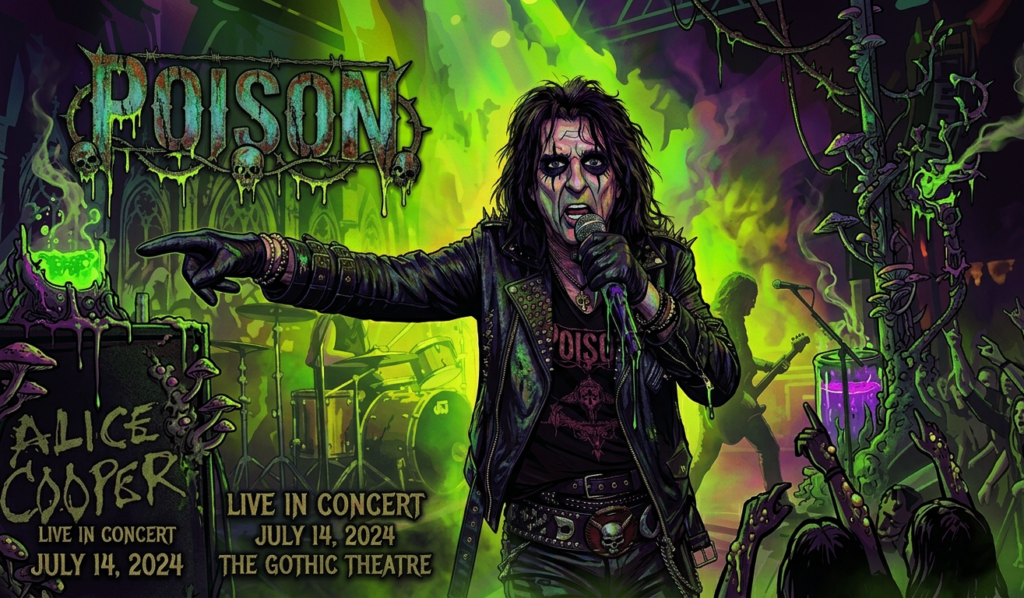
In 1989, Alice Cooper was seen by many as a “has-been” artist.
Although he had dominated the 1970s as the king of shock rock, his career had slowed down in the 1980s, partly due to struggles with alcohol and changing musical trends.
Then came the album Trash.
This record marked a major comeback for him.
At the center of that comeback was the song “Poison.”
Interestingly, “Poison” was not created by Alice Cooper alone.
It was co-written by Desmond Child, a hitmaker known for working with artists like Bon Jovi and Aerosmith.
At that time, Alice Cooper needed a strong comeback hit.
So the record label decided to bring in outside songwriting talent.
Desmond Child had a clear idea:
“Alice Cooper has this dangerous image. Let’s bring that back—but in a modern way.”
That’s how the concept of “Poison” was born.
The theme is simple yet powerful:
a love that is dangerous, addictive, and impossible to resist.
Like drinking poison even though you know it’s bad for you.
This idea perfectly matched Alice Cooper’s dark and seductive persona.
Musically, the song embraced the glam metal sound that was popular in the late 1980s—
catchy melodies, strong guitar riffs, and a memorable chorus.
It was slightly different from his earlier style, but it was carefully crafted to become a hit.
And it worked.
“Poison” reached the Top 10 in the U.S. charts,
marking a successful comeback for Alice Cooper.
More than just a hit song, “Poison” is often seen as a perfect example of how an artist can reinvent themselves by balancing their identity with current trends.
In the end, the song shows something important:
when authenticity meets timing, music becomes powerful again.


コメント